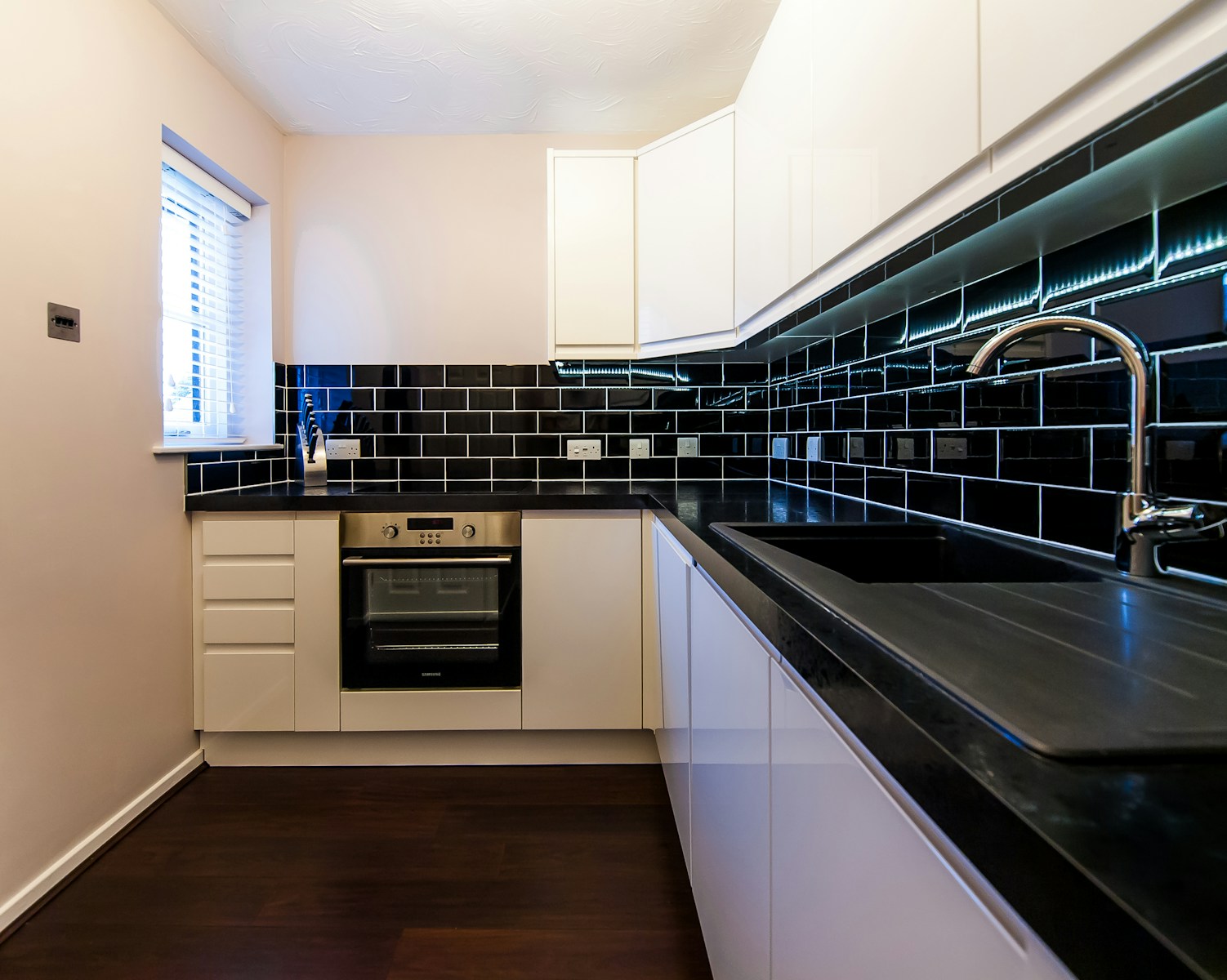
Imagine entering a bright, inviting bathroom where every tile fits together with remarkable precision. Or stepping onto a cozy terrace that stands strong against icy winters, year after year, without a single crack. These flawless outcomes aren’t just lucky breaks; they are the results of expert tile installation. In places like Bern, Switzerland, where home renovations are increasingly popular, choosing professional tile laying—known as Fliesenverlegung—can prevent pricy problems like wasted materials or hidden water hazards. In this post, we pull back the curtain on what sets pro tilesetters apart, focusing on tools, materials, techniques, and the insider advice that brings tiled spaces to life.
What Is Professional Fliesenverlegung?
Professionelle Fliesenverlegung is far more than simply sticking tiles onto a surface. This process involves highly trained specialists, often with certificates like the Plattenleger EFZ in Switzerland, who follow proven guidelines every step of the way. Unlike do-it-yourself projects, professionals carefully plan every detail—from checking the base beneath the tiles to using durable installation practices. Modern Fliesenverlegung owes its roots to ancient mosaic designs, but methods have grown to keep pace with sustainability, new tile formats, and environmental building standards that matter to today’s homeowners.
A Glimpse Into The Past
Tiling work isn’t modern at all—it dates back thousands of years to ancient civilizations. Yet, it was only after the Second World War, thanks to the widespread availability of ceramic tiles, that professional skills and standards raised the bar. In Switzerland, older buildings along Bern’s historic avenues show a blend of centuries-old craftsmanship and up-to-date safety codes. Accreditation today ensures that every project meets high expectations, setting genuine specialist work well above the average construction job.
Where Do Professionals Shine Indoors?
Inside the home, experts handle everything from family bathrooms to busy kitchens and modern living rooms. A pro knows which moisture-resistant tiles suit showers versus which heatproof versions belong on kitchen counters. They work closely with owners, choosing smart materials—like stylish porcelain tiles for entryways that see daily foot traffic, or quiet color palettes for relaxed living areas. It’s not just about looks, either. Professionally installed tiles can easily last between twenty and thirty years, while amateur work often fails within ten.
Outdoor Tile Expertise
Tiling outdoors brings extra challenges, simply because Bern’s seasons create extreme temperature swings. Here, pros choose robust, frost-proof tiles, always planning subtle slopes for drainage. Walkways, terraces, and balconies get special attention for slip-resistance—a must for those early morning, dew-covered surfaces. When done right, quality outdoor tile work holds up against wind, snow, and rain without losing color or texture.
Get To Know Your Tile Materials
There’s a whole range of tile options to fit any space or style. Experts guide homeowners through the best fits, from classic ceramic—well suited to interior walls and floors—for its variety and accessibly price, to high-strength porcelain (or Feinsteinzeug) which is durable enough for kitchens and outdoor living spaces. Natural stone tiles, like marble or granite, add one-of-a-kind charm and work as dramatic accents, but need the right care to last for decades. Innovative, jointless tile types provide seamless surfaces in bathrooms or spa zones where hygiene is a must. Importantly, professional installers also calculate how much of each type to order, mean-ing no waste and no budget blowouts.
| Type | Why Choose It | Where It Excels | Durability |
|---|---|---|---|
| Ceramic | Affordable, many patterns | Indoor floors, walls | 15-25 years |
| Porcelain | Frost-proof, hard-wearing | Kitchens, outdoors | 25+ years |
| Natural Stone | Eye-catching, unique textures | Feature walls, main rooms | 30+ years (if maintained) |
| Seamless (Fugenlos) | Smooth, easy-clean | Bath, spas | Long-lasting |
Latest Techniques The Pros Depend On
Specialists draw from a toolbox of setups: classic straight lines, diagonal layouts that give rooms a bigger feel, old-world patterns that suit stone tiles, or basket-weave motifs for lively interest. Every cut and measurement is accounted for. Even the smallest mistake in lining up the very first row can badly misalign the final result, so tools like laser levels and precise spacers are critical. For large-format tiles, a skillful buttering-and-floating technique keeps them perfectly set, while strict waterproofing keeps bathrooms and kitchens safe from leaks and damp.
Tiling Trends To Watch For
Today’s designers and tile layers have exciting new styles to showcase. Large or extra-large formats offer modern flair and a nearly jointless, streamlined look. Earthy textures that resemble wood or concrete create warmth, while tiles with 3D or detailed printed designs are giving rooms an extra touch. Eco-friendly mortars are also arriving fast, making tile installations greener than ever. The trend towards smooth, fugenlose tiles is especially popular in Swiss homes seeking both style and easy maintenance.
Why DIY Tile Laying Often Falls Short
It might be tempting to tile by yourself to save some money, but that often leads to misfires. Common mistakes include misjudging how many tiles to buy, ignoring whether the floor is truly level, or not applying proper waterproofing. These errors leave the installation open to serious failures, from unsightly cracks to bothersome mold. Professionals simply have the know-how to avoid redoing mistakes, using tested products and methods fit for each unique scenario.
Obstacles For The Perfectionist Tilesetter
Working outdoors means dealing with cold winters, damp leftovers, or tricky old tiles from historical buildings. Sourcing quality tile can be another trial, as some products from abroad are not up to local standards or sustainability expectations. Puzzle-solving new adhesives and shifting material costs keeps professionals on their toes, while keeping up with eco-friendly solutions expands what’s possible in today’s market.
Sustainability: Tomorrow’s Opportunity
With the introduction of recycling-friendly mortars, more old tiles can be reclaimed than ever before, cutting waste and making projects greener. As environmental awareness grows, more homeowners want local labor, responsibly sourced materials, and strategies to lower the building industry’s impact. This is fueling a five percent annual increase in demand for sustainable tiling options and pros with up-to-date eco-credentials.
Your Roadmap: The Pro Tile Laying Process
- On-site visit: Pros measure your space and explain options clearly. Many even show samples to compare.
- Clear quote: Within 48 hours you get an upfront breakdown for both materials and work.
- Detailed planning: Every delivery and working day is scheduled to suit you.
- Meticulous work: Installers level, seal, and layout tiles perfectly—from the first row to the final polish.
- Complete handover: Warranties and tips for upkeep guarantee lasting satisfaction and peace of mind.
Pro tips: Check floors for evenness within 3 mm per meter. Use reliable specialists certified locally, especially for high-standard Swiss regulations. Don’t overlook moisture levels—measure with proper instruments to prevent costly problems.
Turn Vision Into Reality
Choosing professional Fliesenverlegung is more than just replacing a floor or redoing a backsplash—it’s building beauty, safety, and comfort that last for decades. If you dream of a space that’s as hardy as it is stylish, why count on luck? Ask for guidance from Bern’s seasoned experts and take the stress out of tile projects, forever.