When people think of Korea’s green technology movement, solar panels often come to mind first. But the real transformation sweeping the country is far broader, touching everything from smart energy storage and batteries to hydrogen, advanced grid systems, and strategies for recycling. Korea is rising to the challenge that green energy is not only about producing renewable power, but about making that power reliable, scalable, and integral to the country’s economy. For more insights and expert opinions on this shift, you can explore the “그린 테크놀로지 칼럼” at focus1.kr.
Korea isn’t just investing in solar panels for rooftops or solar farms in remote areas. The nation has set a bold goal of achieving 100 gigawatts of renewable capacity by 2030. Unique approaches like tandem solar cells, floating solar platforms, agrivoltaics (where farming and solar energy coexist), and distributed energy resources are growing in popularity. Meanwhile, government discussions now include requirements for solar on new factories and large industrial facilities, and even the expansion of solar installations on farmland and reservoirs.
Why Solar Isn’t the Only Solution
While solar energy adoption is on the rise, there’s a catch: solar power only works when the sun is shining. This doesn’t necessarily match the times when homes, advanced factories, or data centers need the most energy. With Korea’s electricity needs increasing due to AI, electrification, and modern manufacturing, the green transition now puts more focus on storing energy, flexible grids, and smarter ways to handle supply and demand.
This is especially important because Korea’s backbone is its industrial sector. Factories, semiconductor plants, logistics, and the wider mobility sector all depend on consistent, around-the-clock electricity. If the green technology agenda were limited to solar panels, it would leave some of the toughest challenges – such as night-time energy demand or industrial reliability – unanswered.
Energy Storage: The Silent Powerhouse
Energy storage plays a crucial, though sometimes overlooked, role in Korea’s clean energy journey. With renewable energy prone to peaks and dips, storage systems like batteries help balance those swings, keeping the grid steady and dependable both for industry and households.
But storage isn’t only about plugging gaps. Korea treats it as a pillar of its green industry, focusing on the recycling and safety of used batteries along with the recycling of solar panels. This holistic mindset – seeing green technology from installation through to recycling – shows Korea’s commitment to making the entire energy system sustainable rather than just focusing on the flashy new tech.
Hydrogen: Korea’s Ambitious Bet
Hydrogen forms another major plank of Korea’s green tech strategy, especially valuable for industries that can’t run easily on electricity. Car companies such as Hyundai have backed a dual-track strategy using both electric vehicles and hydrogen fuel, with the idea that hydrogen can not only power vehicles, but also store excess renewable electricity and bring agility to the energy system.
Korea has been working for years on a national hydrogen roadmap, with leading automakers and industrial players investing heavily in fuel cell technologies, electrolyzers, and the infrastructure needed to produce, move, and use hydrogen. The vision is straightforward: turn surplus renewable energy into hydrogen, store it, and use it later wherever clean, high-powered energy is needed – from heavy trucks to factories and power plants.
Batteries: Powering Korea’s Economic Edge
Korea’s clean technology surge isn’t just about producing renewable electricity. It’s also about ensuring the country remains a leader in battery innovation. Korean companies are among the world’s top battery exporters, and research into safer, more efficient, and more powerful batteries is at the heart of the nation’s strategy.
This matters because battery technology fuels a lot of future growth – electric vehicles, energy storage systems, portable electronics, and backup power, to name a few. By leading the battery race, Korea doesn’t just benefit the environment; it secures a strategic position in global manufacturing and tech.
Building a Smarter, Stronger Grid
A modern green economy needs more than just energy generation – it needs robust infrastructure to deliver that power when and where it’s needed. Korea is investing heavily in its transmission lines, grid upgrades, and storage systems to handle higher loads of renewable power and anticipate the rising demand from new technologies, including AI.
There’s a move toward more distributed power production as well – putting solar systems on rooftops, factories, farmland, and even water. This decentralized approach spreads out the nation’s energy sources, making the country less dependent on a few large power stations and more resilient in the face of potential disruptions.
Circular Economy: Rethinking Resources
Korea’s expanding green economy also puts an increasing emphasis on the circular economy. Instead of the old model of “use and discard,” the country is investing in technologies for recycling worn-out solar panels and used batteries. By recovering valuable materials, Korea not only reduces waste and environmental impact but also depends less on imported raw materials.
This approach is crucial for a country with limited land and resources. Efficient recycling, reuse, and careful material management are becoming standard – not optional extras – in the green technology playbook.
The Impact of AI and Data Centers
Artificial intelligence is now shaping Korea’s clean energy plans too. As AI-powered data centers require more and more electricity, there’s a new urgency to scale up renewable energy and overhaul the national grid faster than before. This is both a challenge and an opportunity – if managed well, Korea could become a world leader in powering digital infrastructure sustainably.
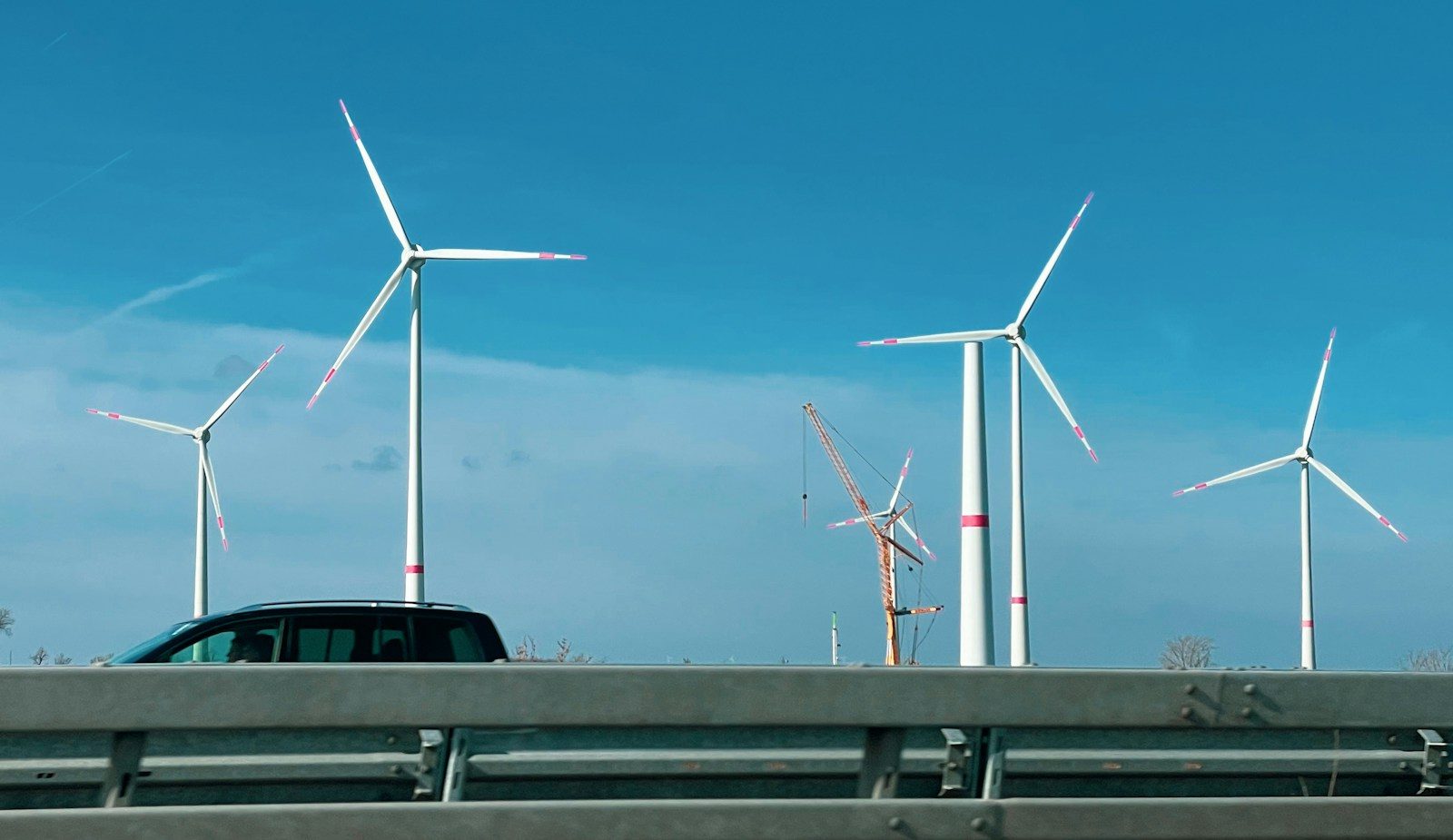
Managing this growth will call for a blend of technologies, including solar, offshore wind, batteries, hydrogen, and smarter electricity pricing – no single solution will be enough to meet the rising demand of tomorrow’s digital economy.
Korea as a Model for Industrial Change
Korea’s approach to green technology is rapidly becoming a global example for other countries looking to decarbonize industry. The country’s strategy recognizes that a clean energy transition isn’t just about power plants, but about creating a whole ecosystem: integrating energy production, mobility, storage, circular manufacturing, recycling, and the needs of the digital world.
By asking how to redesign the entire industrial and energy framework, instead of simply adding more solar panels, Korea is charting a path toward a truly sustainable future.
Rethinking What Green Growth Means
Perhaps the most important lesson from Korea is that green growth isn’t about a single breakthrough technology. It’s about connecting the dots – solar, wind, batteries, hydrogen, smart grids, recycling, and forward-thinking industry policies – to create a system that works together seamlessly.
The solar panel might be the most visible sign of Korea’s green shift, but the real transformation is in everything behind the scenes: the batteries making solar reliable, the hydrogen powering new sectors, the grid that knits it all together, and the circular economy that keeps it going for generations.